Great tech ideas are on the front line of the push for net zero
I talk quite a bit on the involvement of technology in our everyday lives, whether its a new phone, latest smart tv or fridge that tells you what’s for supper, tech is advancing and so too is our love for it (whether we like it or not). Whilst its not unusual to think that we will become even more reliant on technology (yes, even more so than we are now) its also not unusual to think that technology will provide many, if not all industries their solution as they strive for the goal of net zero by 2050.
We don’t have to look very far into the shining light example, in 2020 the Tesla impact report commented that through the use of their cars across the global fleet they saw an estimated 5 million metric tons of CO2 emissions saved. Tesla. (2020). This may only be the equivalent of 0.1% of the total emissions of the US, but the narrative of how technology (and engineering) provide the answer to many of our questions for the future is not false hope.
Whilst many outcomes may be derived directly from technology solving very specific problems, there are others who are assessing opportunities that appear indirectly beneficial in the face of the climate question. One such example is Thermify, headed up by Silicon Valley entrepreneur Travis Theune, who are changing the game in how we heat our homes with their Thermify cloud & heat hub solution (Thermify, 2020).
“The demand for more cloud space calls for more data centres and this is the basis to which Thermify have identified an opportunity to step in.”
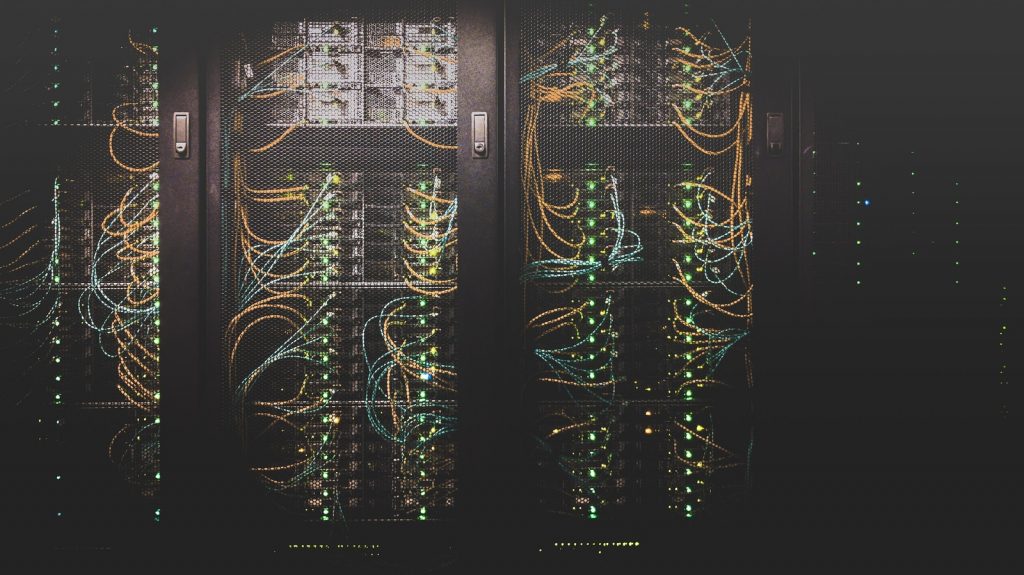
Before we assess the product it’s important to set the scene. Firstly, If you have worked at any organisation greater than 30 people, chances are you’ve witnessed a server room. Guarded like Fort Knox and as cold as the artic, this room is often the single most important to many organisations, disruption here could have catastrophic consequences. Hence the investment that goes into these secure temperature controlled rooms to keep the servers operational. The basic purpose of these wintery rooms is a result of the by product of the constant processing of data, heat, heat that if allowed to increase, would eventually render servers obsolete as well as the inevitability of a scorching building. Secondly, we’ve all heard of the cloud, even those who pretend they haven’t most likely at some stage have used it. Much of our data that has ever been entered (or stolen 😅) into a device is stored and accessed through (hopefully) secure protocols by the application you are using. Whilst the “cloud” suggests a magical place in the sky, at the end of the rabbit hole there is a data centre full of hardware that works round the clock generating yet more heat and ensuring your Tik Tok video is seen by millions and your frantic tweets about “$DOGE to the moon” moves the needle. The demand for more cloud space calls for more data centres and this is the basis to which Thermify have identified an opportunity to step in.
Space in the cloud is increasing, as is our need to identify alternative energy sources, the Thermify premise therefore is a simple one, how to harness this wasted energy generated (heat by-product) to serve as a heat source for the day to day home. Thermify believe they have the answer with their unique “boilers” which serve as a two pronged approach, low cost cloud solutions for businesses and low cost energy alternatives for the home, a market they claim to be worth circa $651 billion (everyone loves the billion figure these days). The tech behind it is simple, or at least they make it look that way, servers encased in a boiler shell welcomes cold water in and distributes warm water out heated by the off cuts of the server generated heat. I hear what you’re saying “take my money now!” right? Don’t get me wrong from the outside this has all the hallmarks of an absolute gem of an idea and company, the benefits are many and critically they are tangible. For any consumer product, to be able to easily articulate any notion of a problem being solved and a benefit being provided especially if it manifests itself in reduced £££ then you’re already onto a winner. Whilst the Amazons & Microsofts of this world scrabble around to reduce their own carbon footprints of their data centres (or make it someone else’s problem) Thermify will be beavering away with their latest prototype and the hunt for funding as they look to scale their manufacture for initial unit roll outs in 2022 (Thermify, 2020).
Like with all great ideas adoption will be the biggest challenge, not just through the typical channels of marketing and engagement with potential buyers, but also through the regulatory landscape as they aim to determine efficacy not just in efficiency of product, but safety and longevity. What will it truly mean for the consumer as we welcome a server technician through our doors rather than a plumber with a spanner, annual maintenance? expensive part replacements? add ons for a premium service? Where do we source insurance? who’s going to underwrite a market where not only a homes heat supply is at risk but also Washing Windows Ltd’s annual accounts that have been backed up since 1999. A jest because of course all of this will have been a consideration of the team. Quite simply for the outsiders looking in through fresh ideas there must be fresh opportunities.
“The proof as they say is in the pudding, just quite how much heat can be created will be the ultimate test”
The proof as they say is in the pudding, just quite how much heat can be created will be the ultimate test, its a very different prospect heating a 1970’s bungalow vs a 2015 grand design, but with new home builds on the rise (Raynor de Best, 2021) a increasingly regulated market that is pushing the rise in good insulation practices may ultimately reduce the need for a boiler to churn out heat similar to the earths core. Either way i’m excited to see Thermify’s progress over the next few years and will be keeping tabs. This doesn’t appear to be a flash in the pan but more a solution that solves real world use cases and if it saves us all a few carbon blocks in the meantime, then who’s to argue.
References:
Thermify. (2020). Home Page. Available: https://thermify.cloud/. Last accessed 12/11/21
Tesla. (2020). Impact Report 2020. Impact Report 2020. 1 (1), 5.
Raynor de Best . (2021). New homes completed by private companies, housing associations and local authorities in the United Kingdom (UK) from 1949 to 2019. Available: https://www.statista.com/statistics/746101/completion-of-new-dwellings-uk/. Last accessed 12/11/21.